- Vinisha M
- 25 Mar 2026
UAE Real Estate Starts Strong in 2026, But Dubai Faces Oversupply Concerns
The UAE real estate market has entered 2026 on a strong and optimistic note, showing impressive growth across residential, commercial, and luxury property segments. Cities like Dubai and Abu Dhabi continue to attract global investors, driven by modern infrastructure, investor-friendly policies, and strong economic stability. Strong Start for UAE Property Market
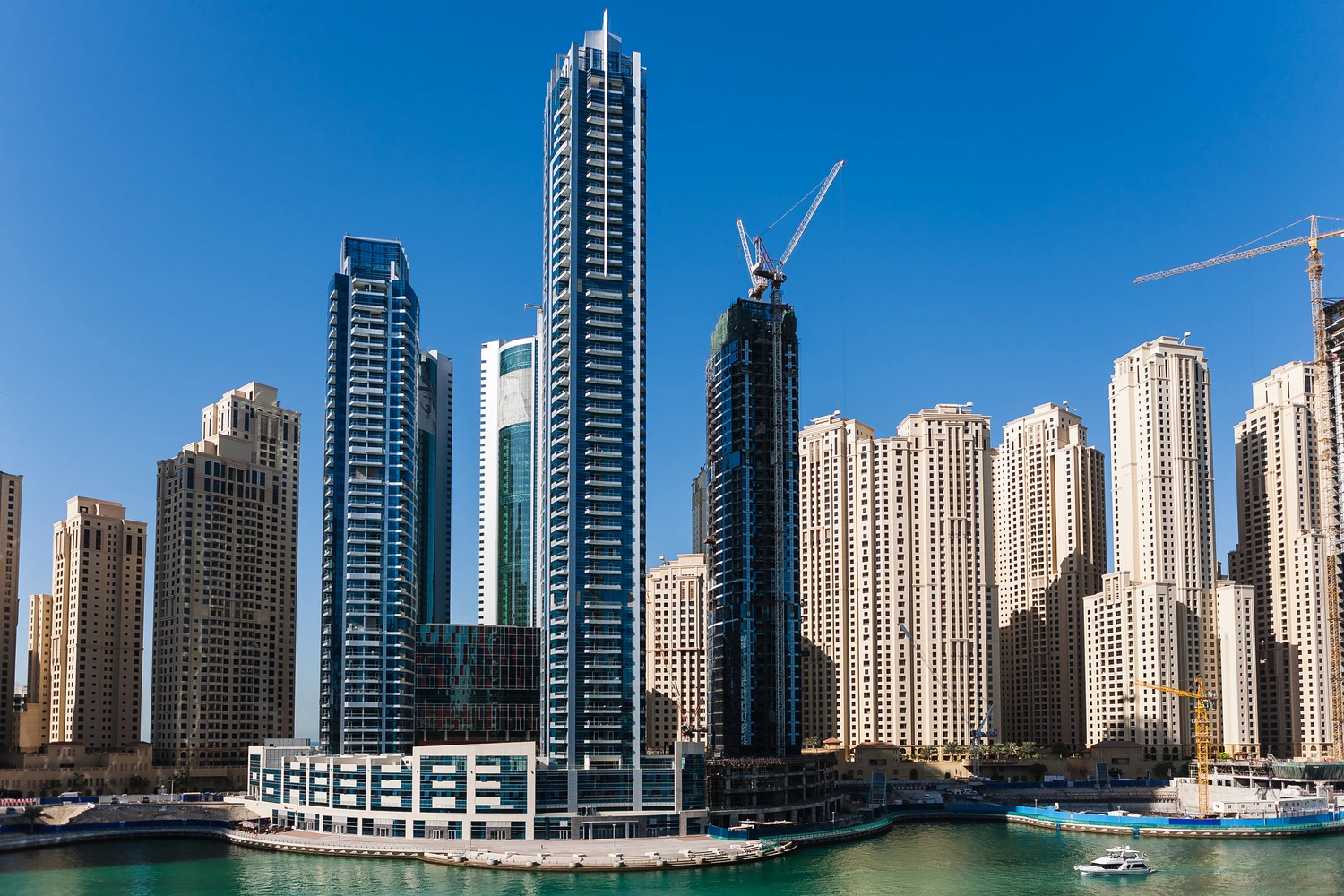
At the beginning of 2026, the UAE property market witnessed high transaction volumes and increasing demand, particularly in the luxury housing segment. Investors from across the world, including NRIs, are showing interest in premium villas, waterfront apartments, and smart homes. Dubai, in particular, has been a major hub for real estate activity due to its global appeal, tax benefits, and high rental yields. The city continues to see new project launches, attracting both end-users and investors. Oversupply Concerns in Dubai
Despite the strong growth, recent reports suggest that Dubai may face an oversupply of properties in the near future. A large number of new residential projects are expected to be completed in 2026 and beyond. This could lead to an imbalance between supply and demand.
Oversupply may result in:
Stabilization or slight decline in property prices
Increased competition among developers
Better deals and offers for buyers
While this situation may benefit buyers looking for affordable options, investors need to be cautious and focus on long-term value rather than short-term gains. What This Means for Global Investors
The UAE market remains attractive, but the oversupply warning highlights the importance of making informed investment decisions. Investors should consider location, project quality, and future demand before investing. This trend is not unique to the UAE. Real estate markets across the world often experience cycles of high demand followed by supply corrections. Insights for Real Estate in Kerala
Interestingly, these global trends also offer valuable insights for real estate in Kerala. Unlike Dubai, Kerala’s property market is more stable and less prone to sudden oversupply due to controlled development and steady demand.
Kerala continues to attract:
NRI investments
Demand for villas and independent houses
Growth in Tier-2 cities like Calicut, Kochi, and Trivandrum
For buyers and investors, real estate in Kerala offers a balanced and secure investment opportunity compared to highly volatile international markets. Conclusion
The UAE real estate market’s strong start in 2026 highlights its global appeal, but the potential oversupply in Dubai serves as a reminder of market risks. While Dubai offers high returns, it also comes with fluctuations. On the other hand, real estate in Kerala stands out as a stable and reliable option for long-term investment, especially for those seeking consistent growth and lower risk.


Trending Property Searches in Kerala
Categories
Categories